


Please note that all orders to the United States are shipped by economy post without a tracking number. If you would like your order to be sent by priority post with a tracking number, please contact us and we will charge you the priority postage costs.
"Approaching The Exquisite Corpus" war ein alternativer Titel, den wir für diese DVD in Erwägung gezogen haben. Er hätte darauf verwiesen, dass bereits die hier vorgestellten Filme
meiner frühen Super-8-Phase eine künstlerisch konsistente Route erkennen lassen, bis herauf zu The Exquisite Corpus als dem bislang jüngsten Produkt eines seit 1980 währenden Unterfangens, das Spezifische des Mediums "analoger Film" in "exquisiten Ekstasen" sinnlich erfahrbar zu machen. Denn so unterschiedlich die Bilder von Aderlass, Liebesfilm, Urlaubsfilm, tabula rasa und The Exquisite Corpus auch sein mögen, sie alle kristallisieren sich rund um jenes grundsätzliche Anliegen, das den Ausgangspunkt und die Basis meiner gesamten künstlerischen Arbeit bildet: das Einmalige, in kein anderes Medium Übertragbare des analogen Films in seiner ganz eigenen Schönheit sichtbar werden zu lassen. (Peter Tscherkassky)
Ein nacktes junges Paar kreuzt mit einem kleinen Boot eine Felsküste entlang, findet eine – ebenfalls nackte – schlafende Frau am Strand; mit ihrem Traum setzt die psychedelische Bildermanipulation ein, stürzt der Film in die Abgründe der Assoziationsketten und Licht-Schatten-Ekstasen, für die Tscherkassky berühmt ist. The Exquisite Corpus ist das Resultat strenger manueller Arbeit an den gefundenen Materialien; der Regisseur bearbeitet jedes seiner Bilder, klebt zerschnittene Bildstreifen auf unbelichteten Film, konstruiert dabei künstliche Orte, surreale Architekturen: Traumräume. Und er veranstaltet ein Spiel mit Haut und Textilien: In seiner raffinierten Neudeutung pornografischer Bilderstürme als weibliche Trauminhalte findet sich ein klug um die Ecke gedachter Meta-Sexismus: die Männerfantasie einer Frauenfantasie. (Stefan Grissemann)
Tyran Grillo in Between Sound and Space: ECM Records and Beyond. (2026)
Images often arrive clothed in certainty. They glide across the eye with a quiet authority, suggesting that what is seen is whole and already understood. The world appears to organize itself within the frame, its contradictions softened, its fractures sealed beneath a luminous surface. Yet this coherence is a delicate fiction. Beneath it, something restless persists, a tremor that resists being made smooth. Peter Tscherkassky’s cinema lives in that tremor. His creations expose the fragility of suspended disbelief, allowing the image to stutter in recognizance.
Emerging from the lineage of the Austrian avant-garde, Tscherkassky has always treated film as both medium and wound. His practice, grounded in the physical manipulation of celluloid, fevers his gaze. He dissects footage with a tactile intensity, pushing it toward states of convulsion and rupture.
In Aderlaß (Blood-Letting, 1981), the screen opens into a darkness that feels less like absence than anticipation. Sound arrives first, jagged and insistent, as if the apparatus itself were clearing its throat. The question “What language do you speak?” reverberates not as inquiry but as accusation. Communication falters, dissolving into laughter that feels almost violent. Here, the moving image becomes an act of self-interrogation, a ritual of undoing. The invocation of “murder as the only real artwork” lingers not as provocation alone but as a symptom of artistic despair. Blood seeps into the frame, not metaphor but material. One begins to wonder whether movement produces film or whether film produces movement. What remains in this interrogation is a flicker that feels terminal, witness to its own extinction.
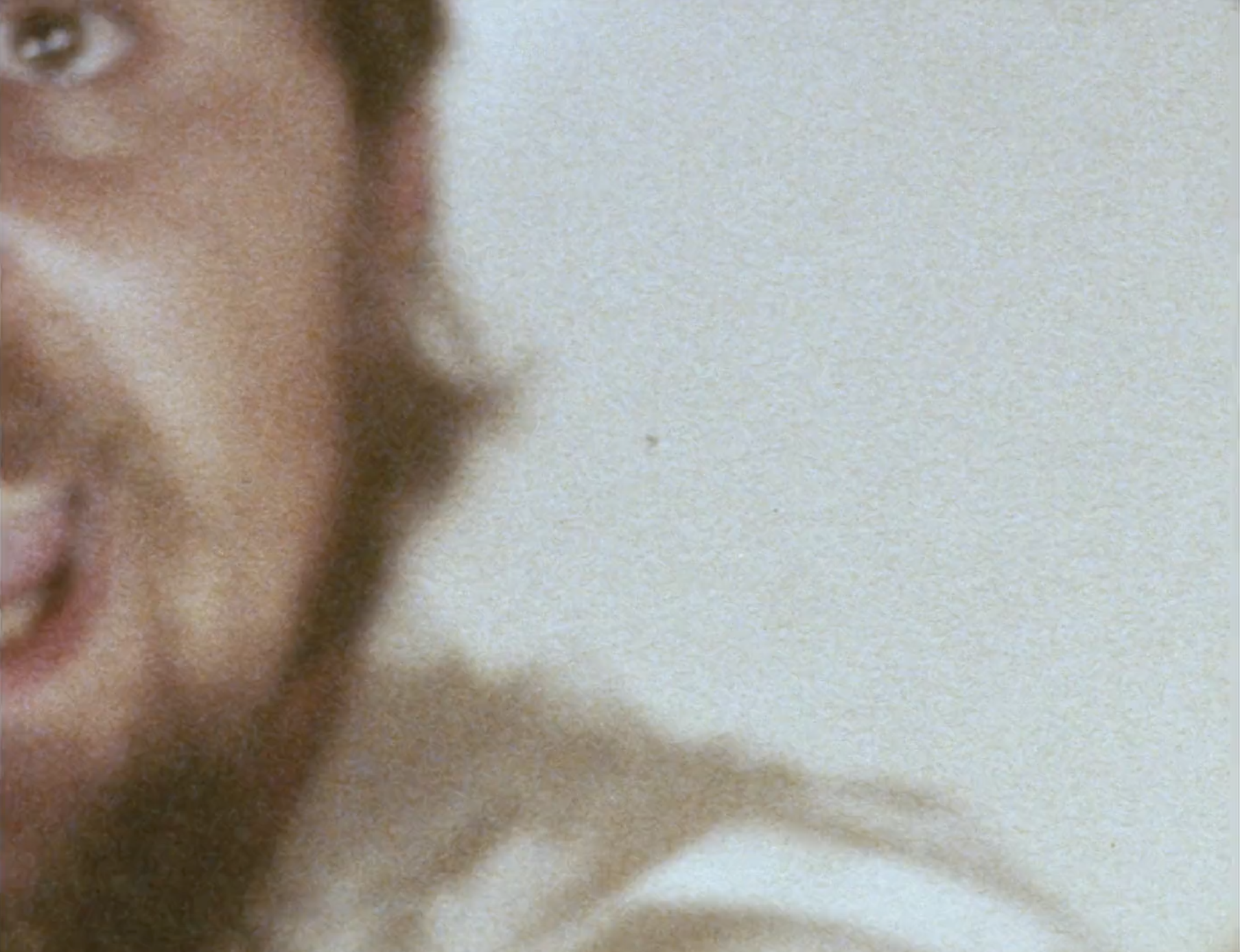
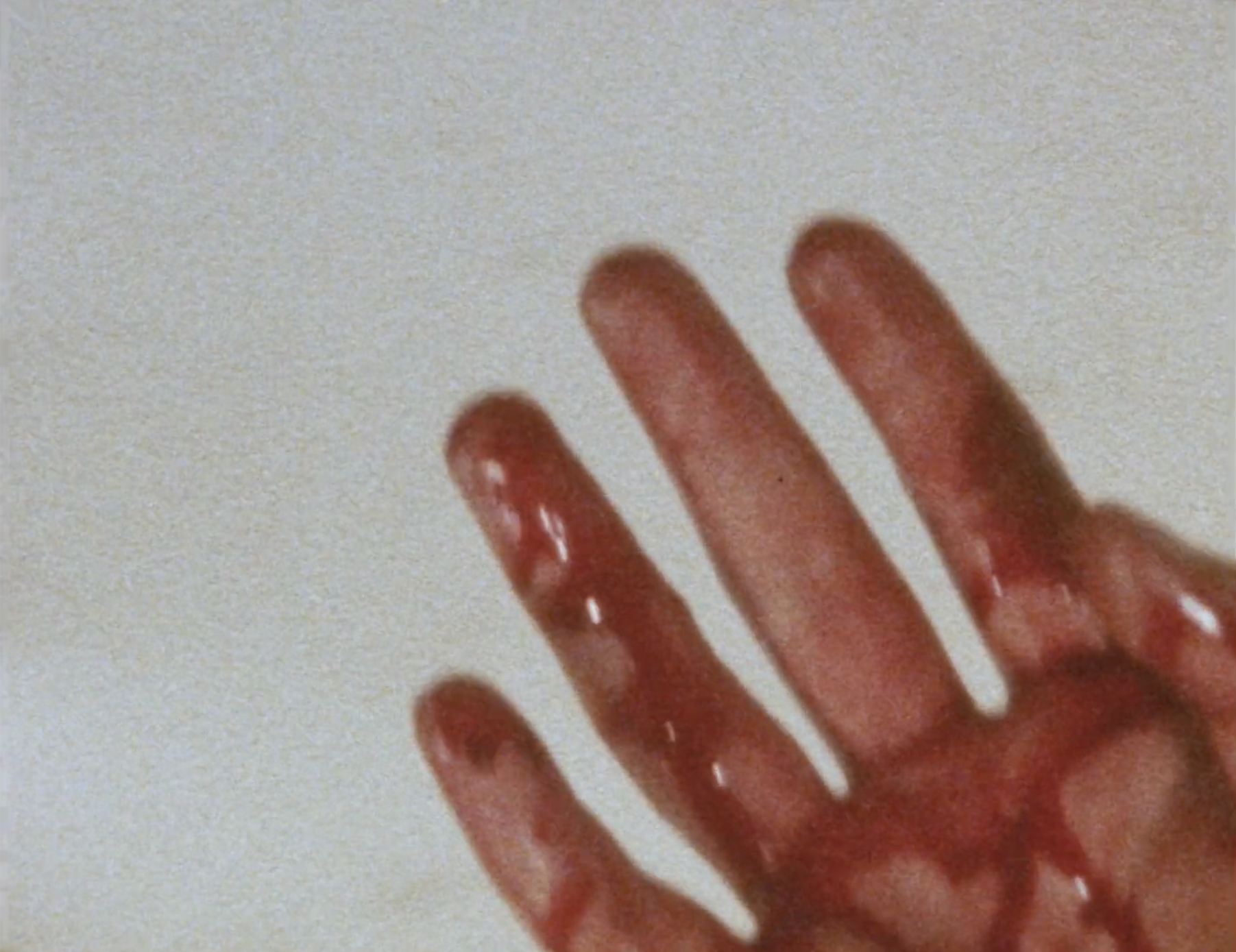
With Liebesfilm (Film of Love, 1982), Tscherkassky turns to intimacy, albeit stripped of fulfillment. A kiss approaches endlessly, rehearsed 522 times without consummation. Desire becomes mechanical, an algorithm of longing caught in a loop. Each repetition erodes meaning yet intensifies sensation. Love reveals itself as a structure of hesitation, a choreography of almosts. The bodies lean toward each other, again and again, yet never arrive. What should be a culmination becomes a suspension. The male gaze lingers in that gap, feeding on deferral. Lips remain unlocked, not out of restraint but because closure would end the system that sustains them.
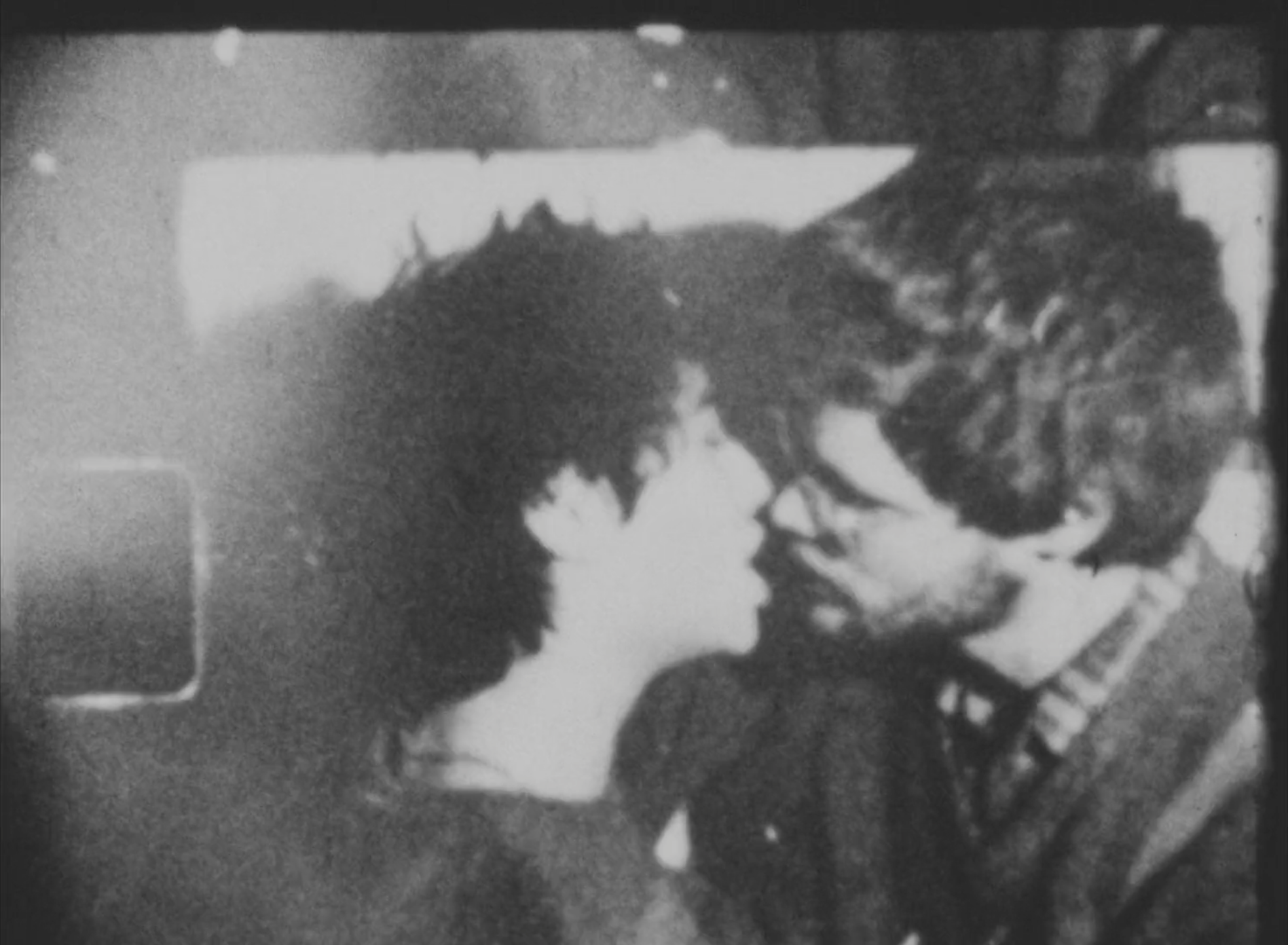
Urlaubsfilm (Holiday Film, 1983) complicates the act of looking more directly. A woman moves through a field, undressing with a gesture that might initially invite voyeuristic comfort. But then, her gaze meets the camera, and with it, the viewer. The illusion fractures. To look is suddenly to be seen looking. The image begins to mutate and open portals within itself. A second frame emerges like an eyelid lifting from the surface. Gradually, visibility recedes. Flesh dissolves into abstraction. What remains is not the body but its residue, held precariously in memory. The gaze loses its object and confronts its own voraciousness.

By the time we reach tabula rasa (1989), the gaze has become predatory. Cowboys lurk in the brush, archetypes of surveillance and control, their attention sharpened to a point. Yet what they see refuses coherence. The image slips and folds into textures that evade recognition. Skin becomes landscape. Cloth becomes terrain. The female body, when it appears, resists fixation. She is neither subject nor object but a shifting locus of desire that cannot be pinned down. The camera reveals itself as complicit, even parasitic, driven by a hunger that consumes its own vision.
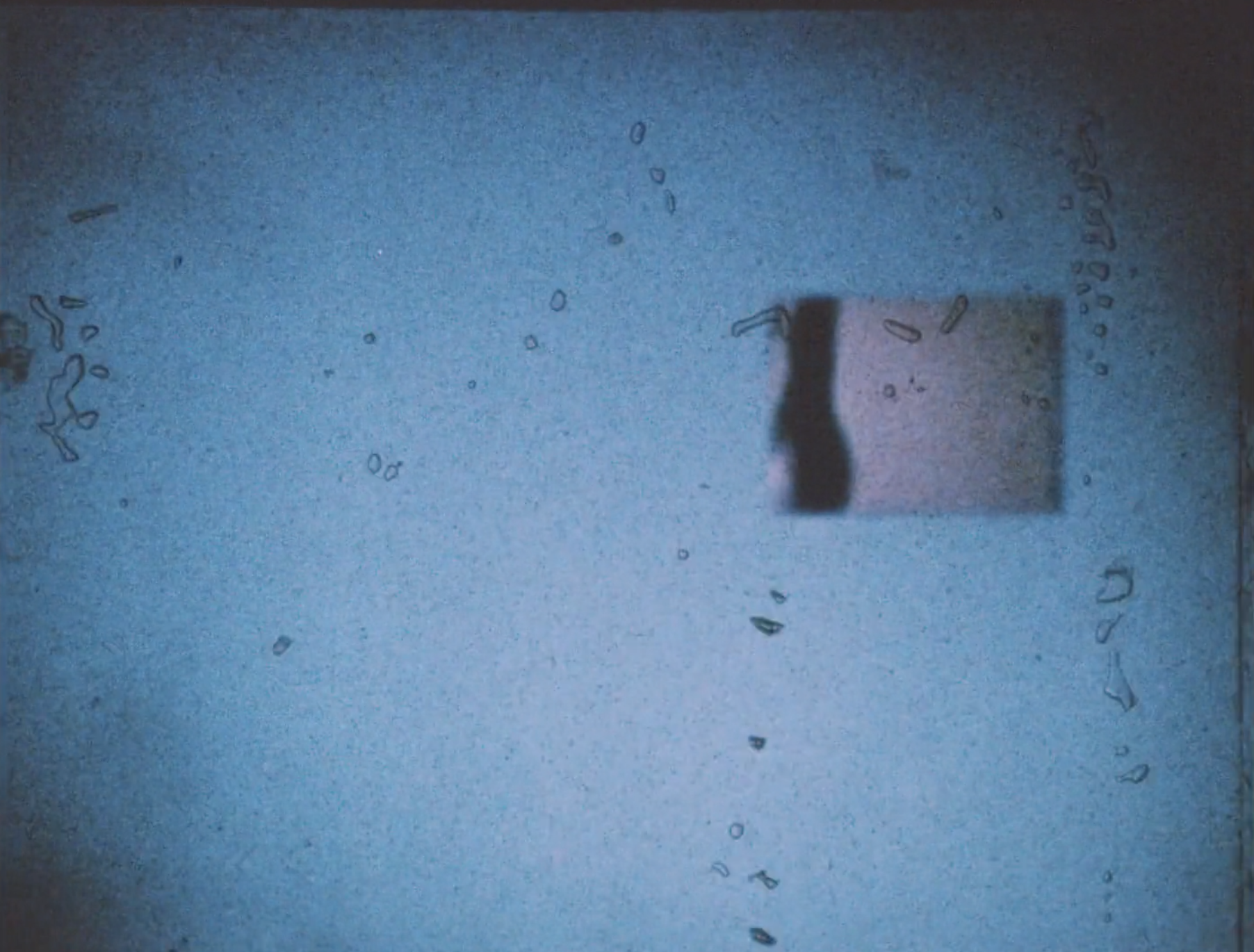
This trajectory finds a kind of culmination in The Exquisite Corpus (2015), a work that gathers decades of experimentation into a dense, almost tidal structure. Drawing from found footage, including a 1960s nudist film, Tscherkassky constructs a landscape where bodies and film stock merge into a single unstable organism. A couple sails toward an island, though their arrival feels illusory. A thunderclap fractures the image before frames multiply, invert, and overlay themselves in a choreography of excess. Flesh becomes pattern. Movement becomes echo. Erotic gestures lose their charge, not through repression but through saturation. The more the body is shown, the less it can be possessed.
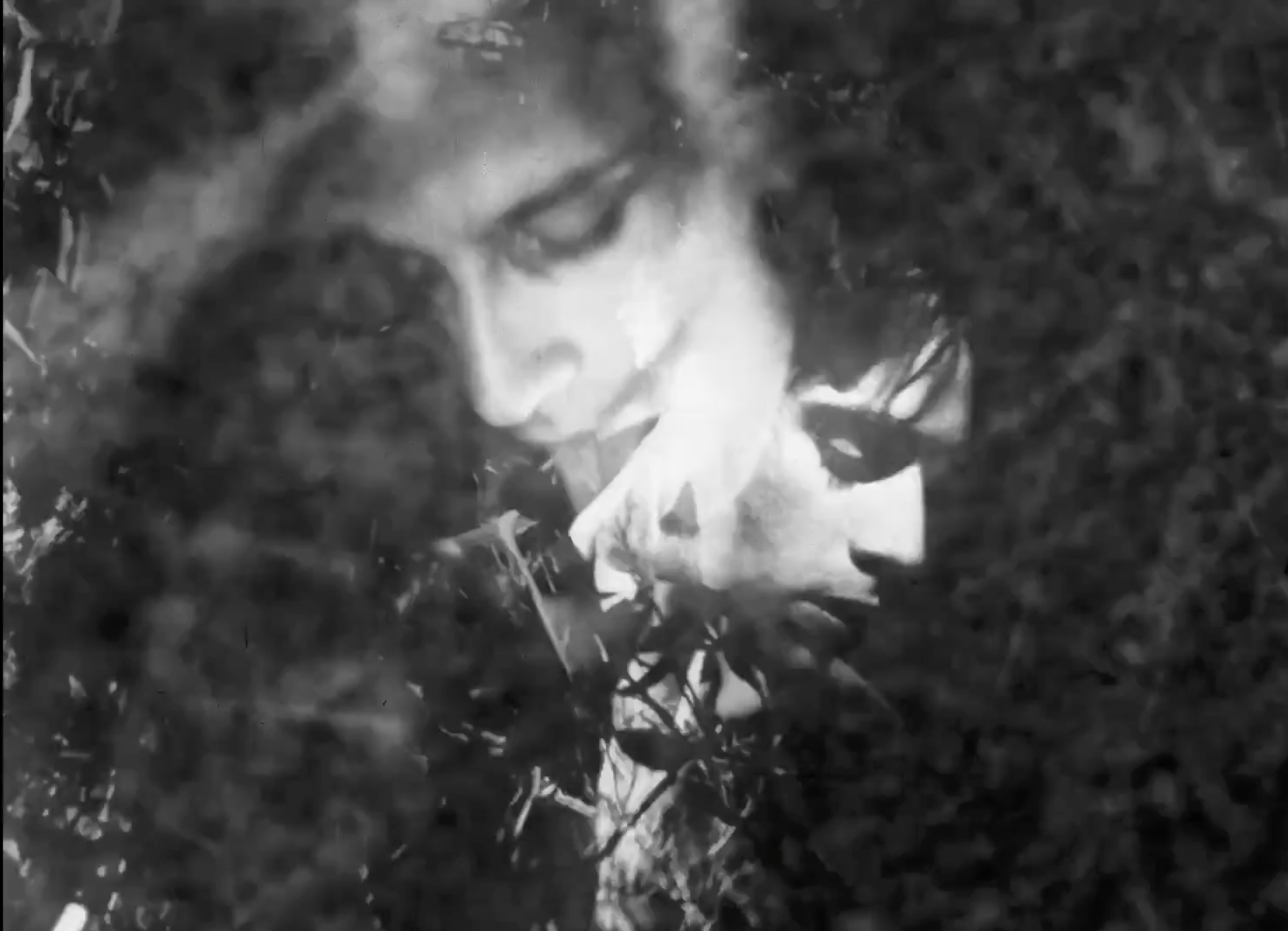
Natural elements intrude. Leaves, flowers, woven textures. These are not mere decorations but reminders that cinema, too, is subject to decay and transformation, even as it pulses like a living thing. Tscherkassky’s frame-by-frame method becomes a form of devotion, an insistence on tactile reality. In an era of digital smoothness, he retains the scars of the past, resisting the flattening of experience into seamless flow.
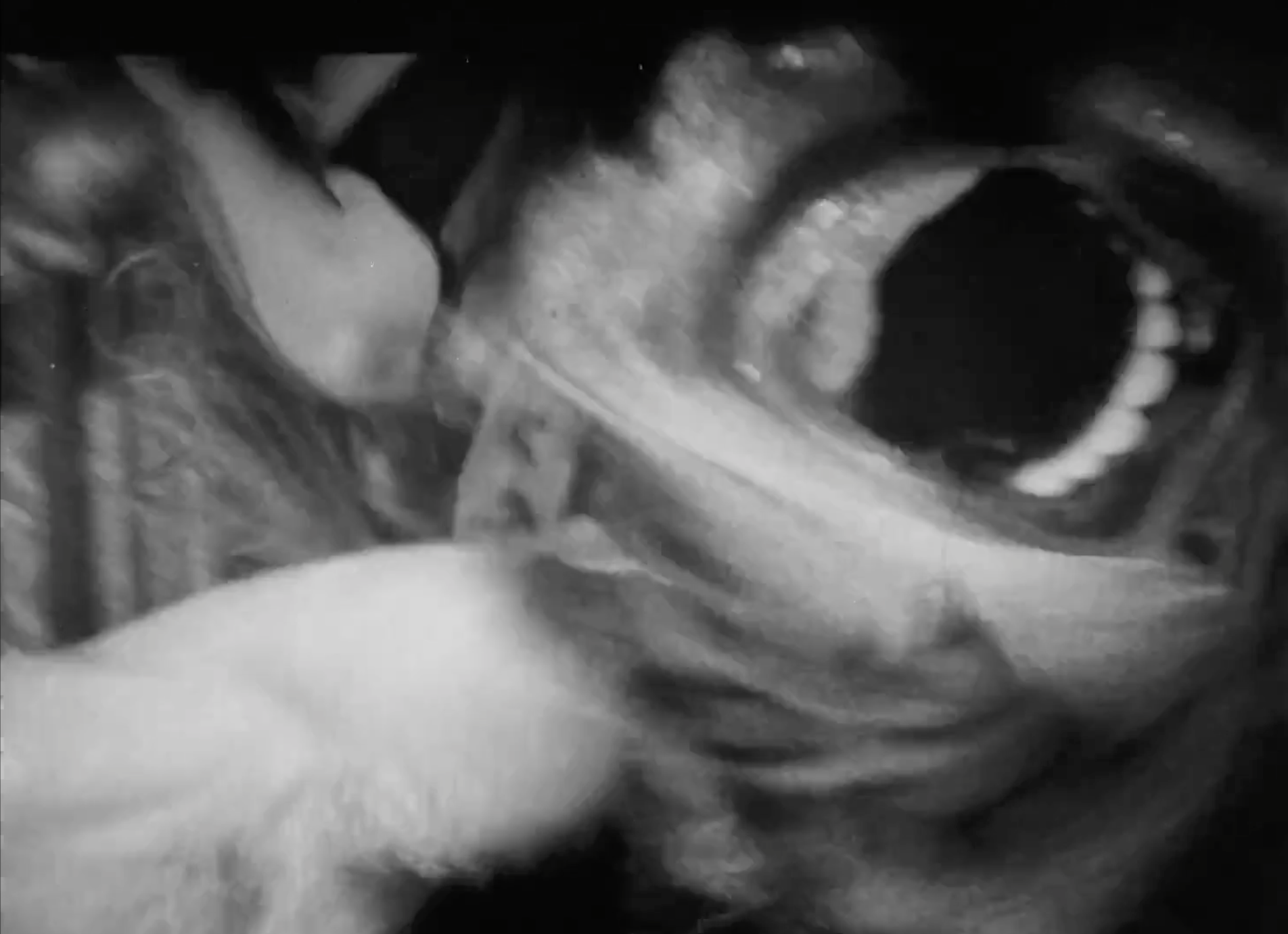
Across these works, the POV is never stable. It shifts from voyeur to participant, from observer to accomplice. It reveals itself as constructed, fractured, and, above all, unreliable. Tscherkassky implicates the viewer in the act of looking, exposing the desires and violences embedded within it. What emerges is not simply a critique of representation but a reconfiguration of perception itself. The films suggest that seeing is always entangled with absence, that every image carries within it the trace of what cannot be shown.
And perhaps this is where Tscherkassky’s work ultimately leads beyond myth and beyond even the body. The gaze, stripped of its certainties, becomes something quieter and more elusive. Not a tool of mastery, nor a site of pleasure, but a fragile relation to the unknown. To look is to risk losing the ground beneath perception. To see is to encounter the limits of seeing. In that encounter, something almost philosophical stirs. Not an answer, not a conclusion, but a question that lingers like an afterimage, asking what it means to inhabit a world that cannot be fully brought into view.
source: https://ecmreviews.com/2026/05/04/peter-tscherkassky-exquisite-ecstasies-index-048/
Please note that all orders to the United States are shipped by economy post without a tracking number. If you would like your order to be sent by priority post with a tracking number, please contact us and we will charge you the priority postage costs.